
Table of Contents
ToggleQuick Answer: Bed bugs are small, reddish-brown insects that feed on blood and commonly hide in mattresses, bed frames, furniture, baseboards, cracks, and other protected areas. The most reliable way to control an infestation is to identify it early, inspect surrounding areas thoroughly, treat the affected property systematically, and follow prevention and monitoring recommendations. If bed bugs continue appearing after DIY treatment, professional bed bug control can help address hidden infestations more effectively.
Bed bugs are among the most frustrating pests a homeowner can discover. They are small, difficult to detect, capable of hiding in narrow spaces, and can spread from one location to another through luggage, clothing, furniture, and other belongings. Finding a bed bug does not necessarily mean a property is dirty or poorly maintained. Bed bugs can affect clean homes, apartments, hotels, offices, and other buildings.
For homeowners and businesses in Ontario, early identification is particularly important. Bed bugs can establish themselves in bedrooms, guest rooms, apartments, rental properties, hotels, and other spaces where people spend time. Once established, they can be difficult to eliminate without a thorough and systematic approach.
At Vanquish Pest Control, we understand how stressful a suspected bed bug infestation can be. Our professional pest management services are designed to help identify pest activity, determine the extent of the problem, and develop an appropriate treatment strategy for residential and commercial properties.
This guide explains how to identify bed bugs, where they hide, how infestations spread, why common DIY approaches may fail, how to prevent future problems, and when professional bed bug control is the right choice.
What Are Bed Bugs?
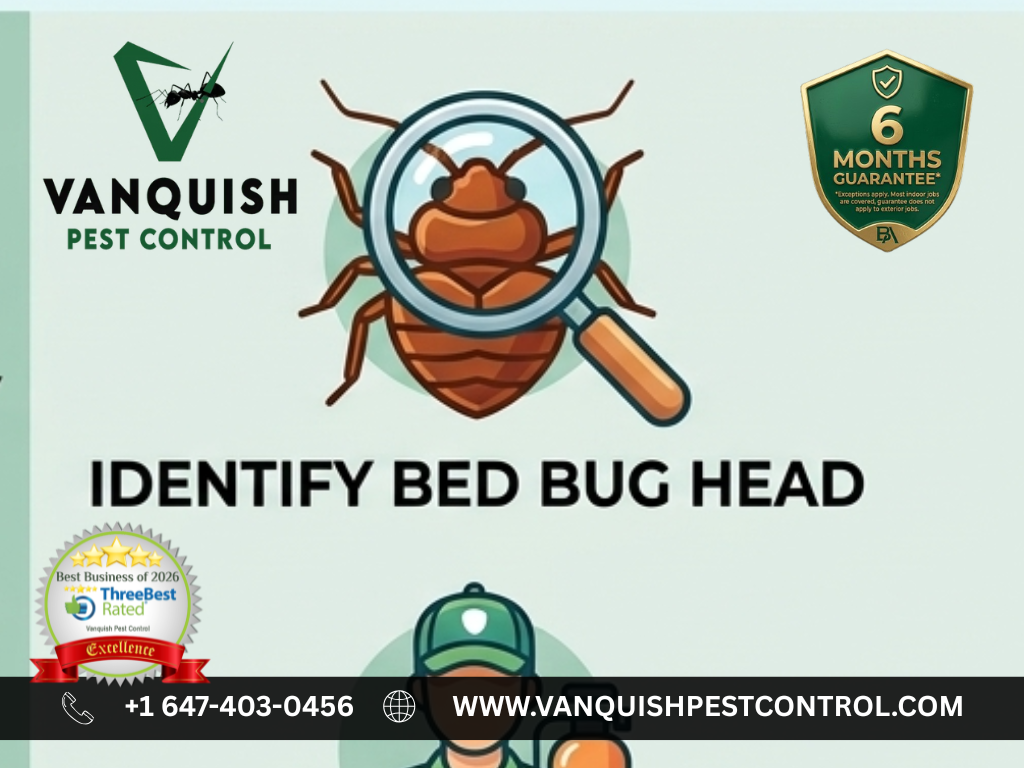
Bed bugs are small parasitic insects that feed primarily on blood. Adult bed bugs are generally oval-shaped, reddish-brown, and relatively flat when they have not recently fed.
They are particularly well adapted to hiding in small cracks and protected spaces.
Common hiding locations include:
- Mattress seams
- Box springs
- Bed frames
- Headboards
- Bedroom furniture
- Baseboards
- Cracks in walls
- Upholstered furniture
- Behind electrical plates
- Luggage
- Clothing and personal belongings
Because bed bugs are excellent at hiding, you may not immediately see the insects themselves.
In many cases, homeowners first notice other signs of activity.
What Are the Signs of Bed Bugs?
One of the most important questions homeowners ask is:
“How do I know if I have bed bugs?”
Several signs may indicate an infestation.
Small Dark Spots
Small dark or rusty-colored spots on sheets, mattresses, pillowcases, or nearby furniture may indicate bed bug activity.
These marks can result from bed bug excrement or crushed insects.
Shed Skins
As bed bugs develop through different life stages, they shed their outer skins.
Finding small translucent skins around mattresses, furniture, or hiding places can be a warning sign.
Eggs and Eggshells
Bed bug eggs are extremely small and may be difficult to see without careful inspection.
They can be found in cracks, seams, and other protected areas near where people sleep.
Live Bed Bugs
Finding a live bed bug is one of the strongest indicators of an infestation.
However, because they hide extremely well, not seeing live insects does not necessarily mean there is no infestation.
Blood Spots on Bedding
Small blood marks may sometimes appear on sheets or clothing after a bed bug has fed.
Unexplained Pest Activity
If multiple signs appear together, a professional inspection can help determine whether bed bugs are responsible.
What Do Bed Bugs Look Like?
Adult bed bugs are typically:
- Small
- Oval-shaped
- Reddish-brown
- Flat before feeding
- Larger and more elongated after feeding
Young bed bugs, known as nymphs, are smaller and lighter in colour.
Because bed bugs can resemble other small insects, correctly identifying the pest is important before selecting a treatment method.
Misidentification can lead to wasted time and ineffective treatment.
Where Do Bed Bugs Hide?
Bed bugs don’t necessarily stay directly on the mattress.
They tend to remain close to areas where people sleep or spend extended periods.
Common hiding places include:
Around Beds
Inspect:
- Mattress seams
- Box springs
- Bed frames
- Headboards
- Bedside tables
Around Furniture
Bed bugs can hide inside:
- Sofas
- Chairs
- Drawers
- Upholstered furniture
- Furniture joints
Around Walls
As an infestation develops, bed bugs may move into:
- Baseboards
- Cracks
- Wall gaps
- Electrical outlets
- Behind loose wallpaper
This is one reason simply spraying the mattress may not eliminate an infestation.
How Do Bed Bugs Get Into a Home?
Bed bugs are excellent hitchhikers.
They can enter a property through belongings that have been exposed to an infested environment.
Common routes include:
- Luggage
- Backpacks
- Used furniture
- Clothing
- Bedding
- Moving boxes
- Personal belongings
- Visitors’ belongings
Travel is a common opportunity for bed bugs to move from one location to another.
They can also spread between rooms or neighbouring units, particularly in multi-unit residential buildings.
Can Bed Bugs Spread Between Apartments?
Yes.
In apartment buildings, condominiums, and other multi-unit properties, bed bugs may move between nearby units through cracks, wall voids, utility openings, and shared spaces.
This means treating only one room or one apartment may not always resolve the underlying problem.
Property managers and residents should take suspected infestations seriously and arrange appropriate inspections to determine whether additional areas are affected.
Are Bed Bugs Caused by Poor Hygiene?
No.
Bed bugs are not an indication that someone is dirty or that a home is poorly maintained.
They are attracted to people because people provide a source of blood, not because a property is unclean.
Bed bugs can affect:
- Clean houses
- Luxury hotels
- Apartments
- Condominiums
- Offices
- Student housing
- Rental properties
- Commercial buildings
Maintaining cleanliness is helpful for identifying pests and reducing clutter, but cleaning alone will not eliminate an established bed bug infestation.
Why Bed Bugs Are Difficult to Eliminate
Bed bugs are difficult to control for several reasons.
They Hide Extremely Well
Their small size allows them to hide in cracks and crevices that are difficult to inspect.
They Can Spread
Bed bugs can move between rooms and, in some circumstances, between neighbouring units.
Eggs Can Be Difficult to Detect
An infestation may contain multiple life stages, making complete control more complicated than simply killing visible adults.
DIY Treatments May Miss Hidden Areas
Spraying visible insects doesn’t necessarily reach every location where bed bugs are hiding.
Reinfestation Is Possible
Even after treatment, new bed bugs may be introduced through luggage, furniture, clothing, or other belongings.
Successful bed bug management therefore requires both treatment and prevention.
Why DIY Bed Bug Treatment Often Fails
When homeowners discover bed bugs, their first instinct is often to purchase an over-the-counter spray or fogging product.
Unfortunately, DIY treatment can create several problems.
Treating Only the Mattress
Bed bugs can hide in bed frames, furniture, baseboards, cracks, and other locations.
Treating only the mattress leaves many potential hiding areas untouched.
Moving Furniture Around
Moving infested furniture to another room can accidentally spread bed bugs.
Using Too Much Product
Applying excessive amounts of pesticide does not necessarily make treatment more effective and can create unnecessary exposure concerns.
Failing to Identify the Pest
Not every small insect found near a bed is a bed bug.
Correct identification should come before treatment.
Stopping After One Attempt
Bed bug management may require follow-up monitoring and treatment depending on the circumstances.
If activity continues, professional assessment is recommended.
How Professional Bed Bug Control Works
Professional bed bug control starts with careful inspection.
At Vanquish Pest Control, the first priority is understanding the situation.
A professional assessment may focus on:
- Bedrooms
- Mattresses
- Bed frames
- Furniture
- Baseboards
- Upholstered areas
- Cracks and crevices
- Adjacent rooms
- Other areas showing signs of activity
Once the pest is identified and the extent of activity is understood, an appropriate treatment strategy can be recommended.
Professional pest management focuses on treating the infestation systematically rather than relying solely on visible pest removal.
What Should You Do If You Find a Bed Bug?
If you suspect bed bugs, avoid panic and avoid immediately moving your belongings from one room to another.
Instead:
- Keep potentially affected items contained where practical.
- Avoid moving furniture between rooms.
- Inspect bedding and nearby furniture carefully.
- Document where signs were discovered.
- Avoid using multiple random pest products.
- Arrange professional identification if you’re unsure.
- Follow treatment and preparation instructions carefully.
The goal is to prevent unnecessary spread while determining the best treatment approach.
How to Prevent Bed Bugs While Travelling
Travel doesn’t guarantee you’ll encounter bed bugs, but a few precautions can reduce the chance of bringing them home.
When staying in hotels or other accommodations, inspect the sleeping area for signs of pest activity.
Pay particular attention to:
- Mattress seams
- Bed frames
- Headboards
- Nearby furniture
Keep luggage elevated rather than placing it directly on beds when practical.
After returning home, inspect luggage and clothing before putting everything away.
Washing and drying suitable clothing according to its care instructions can also be an important part of post-travel precautions.
How to Prevent Bed Bugs From Used Furniture
Second-hand furniture can be a potential source of bed bugs.
Before bringing used:
- Mattresses
- Sofas
- Bed frames
- Chairs
- Dressers
into your home, inspect them carefully.
Pay close attention to seams, joints, cracks, undersides, and concealed areas.
When there is uncertainty about the history or condition of used upholstered furniture, avoiding the item may be the safest option.
Bed Bug Prevention for Landlords and Property Managers
Bed bug prevention is particularly important in multi-unit residential buildings.
Property managers should encourage residents to report suspected activity quickly.
Useful practices include:
- Responding promptly to reports
- Arranging professional inspections
- Reducing clutter where possible
- Educating residents about prevention
- Inspecting affected and potentially connected areas
- Following an appropriate treatment and monitoring strategy
Because bed bugs can spread within multi-unit buildings, early communication can help reduce the potential for wider problems.
Bed Bug Prevention for Businesses
Hotels, rental properties, offices, healthcare environments, and other commercial properties can also face bed bug concerns.
A proactive pest management strategy can help businesses identify potential issues earlier and respond appropriately.
Staff awareness is important.
Employees should know how to recognize common signs and understand who to contact when unusual pest activity is discovered.
Frequently Asked Questions About Bed Bugs
What is the first sign of bed bugs?
The first noticeable sign can vary. Some people find small dark spots on bedding, shed skins, or live insects. Others notice signs around mattress seams or furniture before seeing an actual bed bug.
Can bed bugs live anywhere besides beds?
Yes. Bed bugs can hide in furniture, baseboards, cracks, wall areas, luggage, and other protected locations close to where people spend time.
Can bed bugs survive in clean homes?
Yes. Bed bugs are not attracted to dirt. They can infest clean homes, hotels, apartments, and commercial properties.
How long can bed bugs survive?
Bed bug survival depends on environmental conditions and access to food. Their ability to survive without feeding is one reason established infestations can be difficult to eliminate.
Can I get rid of bed bugs myself?
Some infestations may appear manageable initially, but DIY treatment can miss hidden insects and eggs. Professional assessment is recommended when activity continues or the extent of the infestation is uncertain.
Should I throw away my mattress?
Not necessarily. Discarding furniture without addressing the wider infestation may not solve the problem. Professional advice can help determine the appropriate approach.
Can bed bugs spread from one room to another?
Yes. Bed bugs can move between rooms, particularly when belongings or furniture are moved. In multi-unit buildings, they may also move between nearby units.
How can I prevent bed bugs after travelling?
Inspect luggage and sleeping areas, keep luggage away from beds when practical, and carefully process clothing after returning home.
Why Choose Vanquish Pest Control for Bed Bug Control?
When dealing with bed bugs, choosing an experienced pest control company can make the process much less stressful.
At Vanquish Pest Control, we understand that every infestation is different. Our approach focuses on identifying the problem, assessing affected areas, and developing a treatment strategy based on the property’s circumstances.
We provide pest management services for residential and commercial properties and can help customers dealing with bed bugs and other common pests.
Our approach emphasizes:
- Professional inspection
- Accurate pest identification
- Customized treatment planning
- Practical preparation guidance
- Prevention recommendations
- Customer-focused service
Vanquish Pest Control is also proud to have recognition from ThreeBestRated, reflecting our commitment to quality service and customer satisfaction.
Final Thoughts: Don’t Let Bed Bugs Take Over Your Home
Discovering bed bugs can be stressful, but early action can make the situation easier to manage.
The most important steps are to recognize the warning signs, avoid spreading potentially infested belongings, identify the pest correctly, and address the infestation systematically.
Bed bugs can hide in places that aren’t immediately visible, which is why simply treating a mattress or killing the insects you see may not be enough. Professional pest management can provide a more comprehensive approach to identifying and addressing the problem.
Whether you’re a homeowner, tenant, landlord, property manager, hotel operator, or business owner in Ontario, taking suspected bed bug activity seriously can help protect your property and reduce the risk of a larger infestation.