
Table of Contents
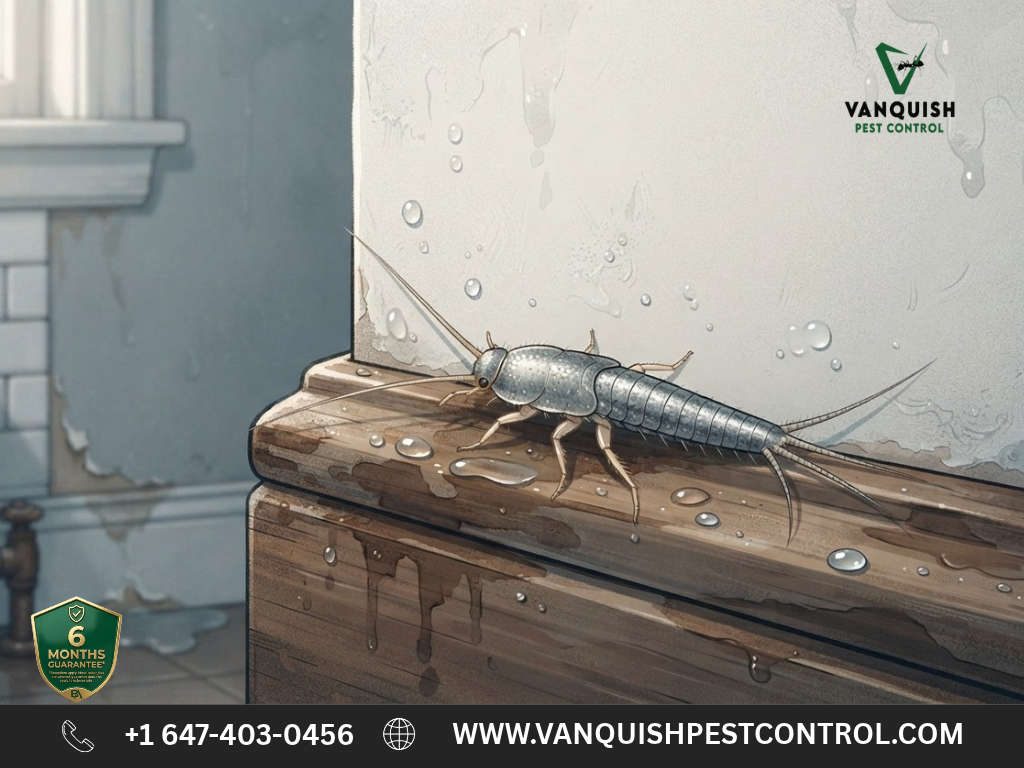
ToggleFinding small, fast-moving, silver-coloured insects in your bathroom, basement, laundry room, or storage area can be unsettling. These insects are commonly known as silverfish. They are wingless pests with elongated bodies, long antennae, and three tail-like appendages.
Silverfish are particularly associated with damp, dark, and undisturbed environments. Although they do not bite people or spread diseases in the same way some other household pests can, they can damage belongings and become a persistent nuisance when they establish themselves indoors.
During November and the colder months in Ontario, homeowners may spend more time indoors and notice insects that have been hiding in storage spaces, wall gaps, bathrooms, and basements. Changes in indoor humidity, available shelter, and access to food can influence where silverfish are found.
If you are repeatedly seeing silverfish in your property, understanding the conditions attracting them is an important first step towards effective silverfish control.
Why Do Silverfish Enter Homes in November?
Silverfish do not necessarily enter homes only because winter is approaching. They are attracted to suitable indoor conditions, particularly moisture, warmth, shelter, and food sources.
Several areas of an Ontario property can provide these conditions.
1. Damp Bathrooms
Bathrooms are among the common places where homeowners encounter silverfish. Moisture from showers, baths, plumbing leaks, and poor ventilation can create favourable conditions.
Silverfish may hide behind bathroom cabinets, around baseboards, beneath sinks, and in small gaps near plumbing fixtures.
2. Moist Basements
Basements often contain dark corners, cardboard storage boxes, unused furniture, and areas with limited ventilation. If moisture accumulates, these spaces can become suitable hiding places for silverfish.
Homeowners should pay attention to condensation, water seepage, leaking pipes, and persistent dampness.
3. Laundry and Utility Rooms
Laundry rooms can provide moisture and shelter, particularly when ventilation is poor. Silverfish may hide behind washing machines, dryers, shelves, and stored household materials.
4. Stored Cardboard and Paper Products
Silverfish feed on materials containing starches and other carbohydrates. They may damage books, paper, wallpaper, cardboard, photographs, and some fabrics.
Storage rooms containing old newspapers, cardboard boxes, books, and paper packaging can provide both food and shelter.
5. Gaps and Hidden Spaces
Small cracks, spaces around pipes, loose baseboards, and openings around fixtures can give silverfish places to hide during the day.
Because they are generally more active at night, homeowners may not notice the full extent of their activity.
What Do Silverfish Look Like?
Silverfish are relatively easy to recognize once you know their appearance.
Common characteristics include:
- A long, flattened, teardrop-shaped body
- Silvery-grey colouring
- Long antennae at the front
- Three tail-like appendages at the rear
- Fast, fish-like movements when disturbed
- No wings
They are usually found in dark areas and may quickly disappear when exposed to light.
If you are unsure whether an insect is a silverfish or another household pest, a clear photograph or professional identification can help determine the appropriate control method.
Signs of a Silverfish Infestation
Seeing one silverfish does not automatically mean that a property has a major infestation. However, repeated sightings or damage to stored belongings may indicate that silverfish are established in hidden areas.
Watch for these warning signs:
Frequent insect sightings: Finding silverfish regularly in bathrooms, basements, cupboards, or storage rooms may indicate ongoing activity.
Damage to books and paper: Silverfish can feed on paper products, book bindings, wallpaper, and materials containing starch.
Small feeding marks: Irregular surface damage or scraped areas on paper and packaging may be associated with silverfish feeding.
Shed skins: Silverfish shed their outer skins as they grow. These may be found in undisturbed areas where the insects hide.
Activity near moisture: Repeated sightings around sinks, bathtubs, plumbing areas, and damp storage spaces may point towards conditions supporting silverfish.
Can Silverfish Damage Your Property?
Silverfish are not generally considered a structural threat, but they can damage personal belongings and stored materials.
Items that may be affected include:
- Books and magazines
- Important documents
- Cardboard packaging
- Wallpaper and adhesive materials
- Photographs and paper collections
- Stored clothing and fabrics containing suitable food residues
- Items kept in damp storage areas
For homeowners with libraries, archives, storage rooms, or valuable paper collections, recurring silverfish activity deserves attention.
How to Prevent Silverfish in Your Ontario Home
Silverfish prevention begins with reducing the conditions that allow them to survive and reproduce indoors.
Control Indoor Moisture
Check bathrooms, basements, kitchens, and laundry rooms for leaks or persistent dampness.
Repair leaking plumbing, improve ventilation, and consider a dehumidifier in areas where humidity remains high.
Improve Bathroom Ventilation
Use exhaust fans where available and allow wet surfaces to dry after showers and baths. Address condensation and investigate areas that remain damp.
Reduce Cardboard Storage
Avoid keeping unnecessary cardboard boxes in basements and storage rooms. Use suitable sealed plastic containers for belongings that need long-term storage.
Seal Cracks and Gaps
Inspect spaces around plumbing, baseboards, windows, doors, and utility openings. Seal suitable gaps to reduce hiding places and potential movement between areas.
Clean Hidden Areas
Regularly vacuum behind appliances, inside cupboards, along baseboards, and around storage shelves. Remove dust, paper debris, and other potential food sources.
Store Paper Products Properly
Keep important documents, books, and photographs in dry, organized storage areas. Avoid placing cardboard boxes directly on damp basement floors.
Are DIY Silverfish Treatments Effective?
Some homeowners try household sprays, traps, or other DIY products when they discover silverfish.
These approaches may help with limited visible activity, but they may not address the underlying conditions or hidden harbourage areas.
For example, spraying an insect directly does not necessarily eliminate insects hiding behind baseboards, inside wall gaps, or in damp storage areas.
A more effective strategy involves identifying where the insects are living, reducing moisture, addressing access points, and selecting suitable treatment methods.
Always follow the product label when using any pest control product. Avoid applying pesticides to food-contact surfaces or areas where their use is not permitted.
When Should You Contact a Professional Silverfish Exterminator?
Professional assistance may be appropriate when:
- You regularly see silverfish in different rooms.
- Activity continues despite cleaning and moisture reduction.
- You discover damage to books, paper, or stored belongings.
- Silverfish appear in multiple storage areas.
- You cannot identify where the insects are hiding.
- The property has recurring moisture or access problems.
A professional pest inspection can help identify activity areas, possible harbourage locations, and conditions contributing to the problem.
Vanquish Pest Control helps Ontario homeowners address unwanted pest activity with professional pest control services. If silverfish are becoming a recurring concern, an inspection can help determine the next steps for managing the issue.
Frequently Asked Questions About Silverfish Control in Ontario
Are silverfish dangerous to humans?
Silverfish are not generally considered dangerous to people. They do not bite or sting, but they can damage paper products, books, wallpaper, and stored belongings.
Why am I finding silverfish in my bathroom?
Bathrooms often provide moisture, darkness, and hiding places. Silverfish may be found near sinks, bathtubs, plumbing openings, and damp cabinets.
Do silverfish appear more often in winter?
Silverfish can remain active indoors throughout the year. During colder months, homeowners may notice them more frequently because indoor spaces provide suitable shelter and moisture.
Can silverfish live in walls?
Silverfish may hide in cracks, gaps, and other concealed spaces, including areas around wall openings and baseboards. These locations can make activity difficult to detect.
How can I prevent silverfish in my basement?
Reduce moisture, repair leaks, improve ventilation, remove unnecessary cardboard, seal suitable gaps, and keep storage areas clean and organized.
Should I call an exterminator for silverfish?
If silverfish sightings are frequent, damage is appearing, or DIY measures are not resolving the issue, professional pest control can help identify the source and recommend appropriate treatment.
Contact Vanquish Pest Control for Silverfish Control in Ontario
Silverfish may be small, but recurring activity can become frustrating when these insects begin damaging stored belongings and appearing throughout your home.
The most effective approach combines moisture management, improved storage, access-point maintenance, and suitable pest control treatment.
If you are dealing with silverfish in your bathroom, basement, laundry room, or storage area, contact Vanquish Pest Control to discuss your pest concerns and arrange professional assistance.
Protect your Ontario property from unwanted pests with a practical, inspection-led approach to pest management.